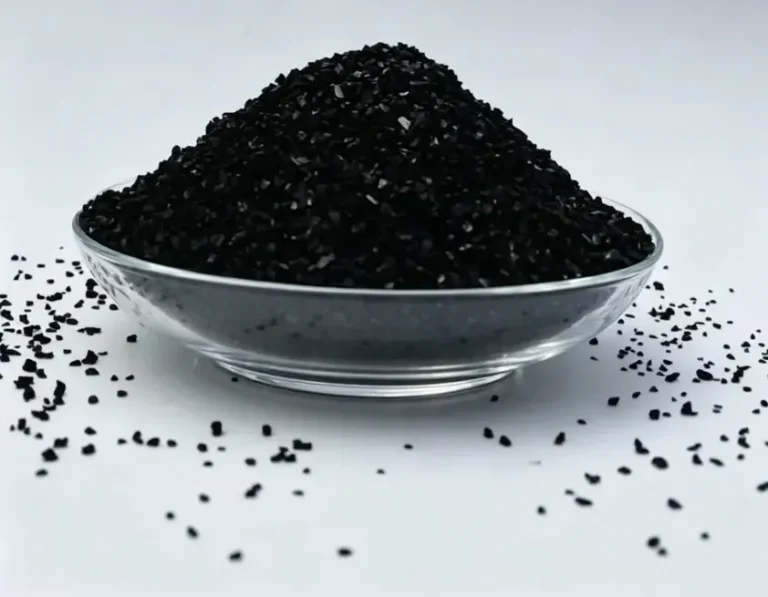
Activated carbon is one of the most widely used adsorbents for VOC (Volatile Organic Compound) treatment and is extensively applied in industries such as coating, printing, chemicals, electronics, and pharmaceuticals.
However, many facilities encounter the same challenge:
Activated carbon performs well initially but loses efficiency quickly, resulting in frequent replacement and increased operating costs.
In most cases, the issue is not insufficient carbon loading, but a mismatch between the activated carbon properties and the actual operating conditions.
Pore Structure Matters
Industrial VOC streams often contain a mixture of:
- Aromatics
- Esters
- Ketones
- Alcohols
- Hydrocarbons
Different molecules require different pore size distributions for optimal adsorption.
Poor pore matching may lead to:
- Insufficient micropores for small molecules
- Lack of mesopores causing pore blockage by larger molecules
- Reduced effective adsorption capacity
- Shorter service life
High-performance activated carbon for VOC treatment should provide:
- Well-developed micropore structures
- Balanced mesopore distribution
- High effective adsorption volume
The key is not having more pores, but having the right pore structure for the target pollutants.
Anti-Fouling Capability Determines Service Life
Real-world VOC exhaust streams often contain:
- Oil mist
- Tar
- Dust
- Moisture
- High-boiling organic compounds
Under such conditions, standard activated carbon may experience:
- Pore blockage
- Particle breakdown
- Increased pressure drop
- Rapid performance decline
High-quality VOC treatment carbon should feature:
High Mechanical Strength
Reducing attrition and extending service life.
Optimized Pore Accessibility
Improving flow characteristics and minimizing blockage.
Stable Surface Properties
Maintaining adsorption performance under challenging conditions.
Look Beyond Purchase Price
Choosing low-cost activated carbon may reduce upfront expenses, but often results in:
- More frequent replacements
- Increased maintenance downtime
- Higher hazardous waste disposal costs
- Emission fluctuations
- Greater compliance risks
Therefore, VOC carbon selection should focus on:
Total operating cost per unit of treated air, rather than carbon purchase price alone.
Selection should be based on:
- VOC composition
- Concentration levels
- Airflow volume
- Temperature
- Humidity
Key Selection Principles
Durable activated carbon for VOC treatment should provide:
✔ Stable adsorption performance
✔ Stable mechanical strength
✔ Stable service life
Activated carbon is not merely a consumable; it is a critical functional material that directly affects the reliability of the entire air pollution control system.
Proper carbon selection helps achieve:
- Consistent emission compliance
- Reduced replacement frequency
- Lower operating costs
- Long-term system reliability
As VOC emission regulations become increasingly stringent, the market is shifting from “usable” carbon toward “long-term performance” carbon. Future competitiveness will be defined not by iodine value alone, but by pore structure engineering, durability, and application-specific optimization.
About Clarkson Carbon
Clarkson Carbon specializes in the research, manufacturing, and technical support of activated carbon solutions for industrial VOC control.
Our product portfolio includes:
- Coconut Shell Activated Carbon
- Coal-Based Pellet Activated Carbon
- Honeycomb Activated Carbon
- Modified Activated Carbon
- Customized Adsorbent Solutions
We have successfully supported customers in the coating, printing, chemical, electronics, and pharmaceutical industries.
Our Core Capabilities
- Customized pore structure design based on VOC composition
- High-strength, anti-fouling carbon development
- Life-cycle operating cost analysis
- Free application evaluation and product selection support
Contact Clarkson Carbon today for professional carbon selection advice and VOC treatment optimization.